Foreign policy matters: the international choices ahead for New Zealand
Catherine Grant Makokera, NZIIA Executive Director and Flavia Stevens-Adank, NZIIA Archivist
2026-11-06
NEW ZEALAND
GEOPOLITICS
This is an original article.
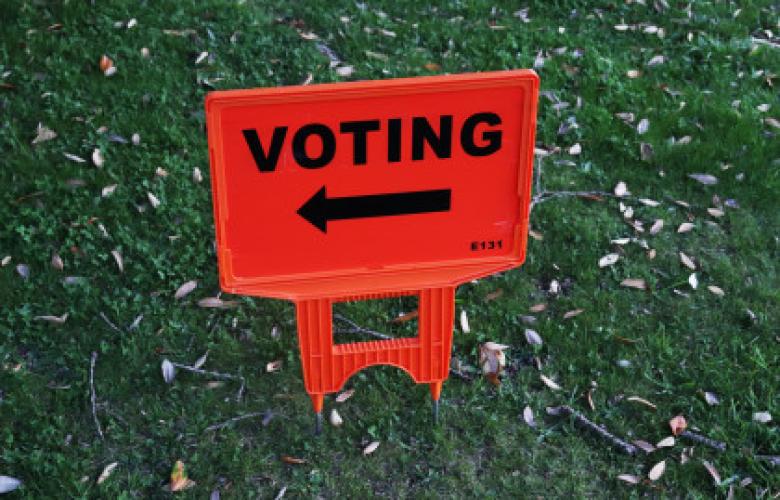
When we vote, our place in the world is on the ballot too. We are choosing who manages New Zealand’s relationships abroad, advances our interests and represents our values.
Election campaigns understandably focus our attention on the pressures closest to home: household budgets, healthcare, education and jobs. But our ability to address these issues also depends on what happens beyond our shores - and how we respond. The international agenda will not wait until the incoming government has settled in. Nor can it be separated neatly from domestic concerns. For a country that earns its living through international connections, what happens beyond our shores helps determine the opportunities available at home.
That connection was at the heart of the pre-election foreign-policy debate the NZIIA hosted with the Council for International Development on 26 August 2026. Moderated by Sam Sachdeva, it brought together National’s Tim van de Molen, Labour’s Vanushi Walters, the Greens’ Teanau Tuiono and Opportunity’s Daniel Eb. Their exchanges exposed genuine differences, but also considerable agreement about what New Zealand needs from its engagement with the world. Many of the points made in the debate have gone on to be reflected in the manifestos, interviews and policies released by political parties during the campaigning over the last few months.
Independence needs more than a slogan
One shared concern was how New Zealand preserves its independence while managing its major economic and security relationships, particularly with China and the United States. Participants agreed on the importance of diversifying our international connections and maintaining a reputation as a reliable partner.
Independence is something a government must practise, not simply proclaim. Eb connected economic independence with freedom of action abroad. Walters emphasised the importance of making New Zealand’s positions explicit and consistent. Van de Molen argued that a wider range of relationships would give us more options. These are complementary approaches that see foreign policy anchored in having choices, being clear about our principles, and retaining the confidence of those we work with.
For the incoming New Zealand government, the test will be how those ambitions hold up when relationships become difficult or our interests pull in different directions.
Trade policy does not end with signing an agreement
Our August debate raised a useful question: how much effort should go into negotiating new free trade agreements, and how much into getting more from those already in place?
Van de Molen saw opportunities for further agreements alongside better use of existing ones. Walters placed particular emphasis on resilience and making existing arrangements deliver. She also identified the WTO stalemate as a major challenge for the coming decade.
This matters because a trade agreement is an opportunity that requires other conditions to be in place to become reality. The next government will need to think about the capabilities that help firms succeed: innovation, investment, skills, development of higher-value products and access to supporting services. The pre-election debate included different ideas for that task, from greater research and development investment to technological innovation in primary industries and changes to regulatory settings.
The question is not simply where New Zealand can sell more, but how we build an economy better equipped to withstand disruption of supply chains and traditional commercial patterns.
A Pacific policy that starts with the Pacific
Perhaps the strongest thread running through our pre-election debate was the importance of our Pacific relationships. Climate change, pressures on the marine environment, legacy debt and the risks of militarisation of the region all featured.
All participants supported a Pacific-centred approach and the ability of Pacific countries to make their own decisions. That is a useful starting point for any government. Our neighbours should not appear in New Zealand’s thinking only when larger powers take an interest in them. Listening to Pacific priorities must be part of how we define our own regional responsibilities, especially as we will be hosting the Pacific Islands Forum Summit in 2027.
Development assistance brought the differences into sharper focus. Van de Molen stressed effectiveness and outcomes rather than spending levels. Walters highlighted gaps left by reductions in the funding provided by others. Tuiono described aid as an international obligation, while Eb characterised it as an investment rather than a cost.
Those distinctions will matter when budgets are drawn up and could feature even during coalition negotiations. The incoming government will need to determine not only how much and where it spends, but also what it wants development cooperation to achieve and the impact of any changes on our partnerships.
Security, technology and the rules we defend
Defence decisions also require a shared understanding of purpose. Audience questions during the August pre-election debate ranged from replacing the ANZAC-class frigates to the uses of drone technology. The responses touched on advanced capabilities, disaster relief, cooperation across government and the ethical limits that should govern new technology.
The underlying questions remain: what should New Zealand be able to do for itself, what should it contribute alongside others, and what commitments can it sustain given other priorities?
There were differences, too, over how New Zealand should respond to human-rights abuses and international crises. But the debate revealed widespread support for international law and cooperation, even where participants disagreed about the actions those principles required.
Protecting a rules-based international system cannot be just an aspiration. The next government will have to decide where to invest diplomatic effort, when to speak publicly, and how to match its words with action.
A conversation that must continue
One encouraging feature of our pre-election debate was the involvement of students, who contributed many of the audience questions. Another was the degree of common ground across the panel. Different ideologies did not erase shared concern for New Zealand’s independence, its Pacific relationships and its standing as an international partner across all of the parties who were represented.
The NZIIA looks forward to working with whichever government emerges from the election, alongside parliamentarians across the political spectrum. We will continue to provide a forum for informed discussion, constructive disagreement and public engagement with New Zealand’s place in the world.
That conversation belongs to all of us. You do not need to be a foreign-policy specialist to ask what sort of international contribution New Zealand should make—or who you trust to make difficult decisions on our behalf.
If you have not already done so, please vote. Election-day voting places open from 9am to 7pm on Saturday 7 November. The choice is not just about life here at home but also how we engage with the world that helps shape New Zealand.

Membership
NZIIA membership is open to anyone interested in understanding the importance of global affairs to the political and economic well-being of New Zealand.