Intelligence Intellectuals: Social Scientists and the Making of the CIA
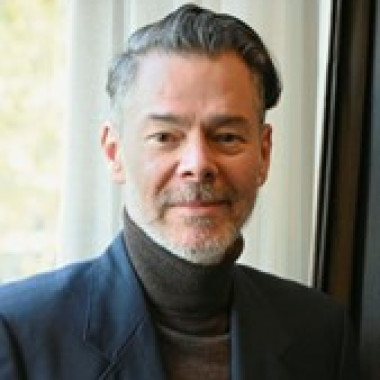
Dr Peter C. Grace, Academic and commentator on politics and international relations
Monday, 13 July 2026 5:00pm - 6:30pm
Auckland
Room 440, Building 201 (201-440), 10 Symonds Street, University of Auckland City Campus.
This event is organised by the NZIIA Auckland Branch and the Public Policy Institute at the University of Auckland - Waipapa Taumata Rau.
Peter Grace talks about his new book, providing an untold story of how America's brightest academic minds revolutionised intelligence analysis at the CIA.
In the early days of the Cold War, the United States faced a crisis in intelligence analysis. A series of intelligence failures in 1949 and 1950, including the failure to warn about the North Korean invasion of South Korea, made it clear that gut instinct and traditional practices were no longer sufficient for intelligence analysis in the nuclear age. The new director of the Central Intelligence Agency, Walter Bedell Smith, had a mandate to reform it.
Based on new archival research in declassified documents and the participants' personal papers, The Intelligence Intellectuals reveals the neglected history of how America's brightest academic minds were recruited by the CIA to revolutionise intelligence analysis during this critical period.
Peter C. Grace describes how the scientifically sound analysis helped the United States gain an advantage in the Cold War, and legitimised the role of the recently created CIA in the national security community.
Biography
Peter C. Grace is an academic and commentator on politics and international relations.
He is the author of The Intelligence Intellectuals: Social Scientists and the Making of the CIA, (Georgetown University Press) and writes regularly on national security and intelligence matters. He is also one of the volume editors of New Zealand's Foreign Policy under the Jacinda Ardern Government.
Peter has lectured on foreign policy, intelligence, and international relations at the University of Otago, and on cyber security at the University of Waikato, both in New Zealand. He co-founded the Otago National Security School and is a member of the annual Otago Foreign Policy School committee.
He is currently writing a book on grand strategy and intelligence: a case study on how the US began to think about the Soviet Union as a potential enemy after World War II, and considered how to prepare again for a new conflict.
This event is organised by the NZIIA Auckland Branch and the Public Policy Institute at the University of Auckland - Waipapa Taumata Rau.
Peter Grace talks about his new book, providing an untold story of how America's brightest academic minds revolutionised intelligence analysis at the CIA.
In the early days of the Cold War, the United States faced a crisis in intelligence analysis. A series of intelligence failures in 1949 and 1950, including the failure to warn about the North Korean invasion of South Korea, made it clear that gut instinct and traditional practices were no longer sufficient for intelligence analysis in the nuclear age. The new director of the Central Intelligence Agency, Walter Bedell Smith, had a mandate to reform it.
Based on new archival research in declassified documents and the participants' personal papers, The Intelligence Intellectuals reveals the neglected history of how America's brightest academic minds were recruited by the CIA to revolutionise intelligence analysis during this critical period.
Peter C. Grace describes how the scientifically sound analysis helped the United States gain an advantage in the Cold War, and legitimised the role of the recently created CIA in the national security community.
Biography
Peter C. Grace is an academic and commentator on politics and international relations.
He is the author of The Intelligence Intellectuals: Social Scientists and the Making of the CIA, (Georgetown University Press) and writes regularly on national security and intelligence matters. He is also one of the volume editors of New Zealand's Foreign Policy under the Jacinda Ardern Government.
Peter has lectured on foreign policy, intelligence, and international relations at the University of Otago, and on cyber security at the University of Waikato, both in New Zealand. He co-founded the Otago National Security School and is a member of the annual Otago Foreign Policy School committee.
He is currently writing a book on grand strategy and intelligence: a case study on how the US began to think about the Soviet Union as a potential enemy after World War II, and considered how to prepare again for a new conflict.

Membership
NZIIA membership is open to anyone interested in understanding the importance of global affairs to the political and economic well-being of New Zealand.